Tombola casino bonuses setting weekly loss limits
Setting strict boundaries for Tombola Casino bonuses
Tombola Casino is a branded online gambling site instead of a generic directory or a review aggregator. When you arrive on the page, what matters first is whether you can log in and confirm your account before any game loads. An unverified account typically restricts withdrawals even if deposits and play proceed normally, so treat verification as a prerequisite instead of an optional extra. Check the account or verification area for the specific document requests before players attempt a payout.
Platform Architecture and Proprietary Game Integration
Modern digital gaming operations diverge fundamentally from traditional aggregation models through the deployment of bespoke software ecosystems. Instead of licensing standard titles from third-party studios to populate a virtual lobby, specialized operators build their entire digital infrastructure from the ground up. This approach requires direct control over every layer of the technology stack, spanning server-side session management, random number generation pipelines, client-side rendering engines, and secure database architecture. When developers choose to operate as a tombola casino platform under British jurisdiction, the software engineering lifecycle must align directly with strict technical standards set by statutory regulators.
Proprietary software design eliminates reliance on external content delivery networks and shared aggregator APIs. In a standard multi-vendor casino, game code sits on remote servers maintained by independent studio providers, and session requests pass through multiple intermediary routing layers. In contrast, an end-to-end proprietary environment hosts all executable assets, math models, and user interface components within a unified system. This architectural choice reduces latency during peak traffic periods and allows engineering teams to deploy targeted updates across web clients and mobile applications simultaneously without waiting for third-party patching cycles.
Core Components of Bespoke Digital Software Stacks
The operational stability of a proprietary gaming environment depends on how efficiently its internal subsystems communicate. Backend servers handle core business logic, user account states, transactional ledger entries, and regulatory audit logging. Meanwhile, frontend interfaces render visual assets using modern web standards such as HTML5 and WebGL, ensuring consistent performance across diverse desktop browsers and mobile operating systems without requiring proprietary browser plugins.
Database optimization is particularly critical when dealing with high-frequency community gaming sessions where thousands of participants interact within shared virtual spaces. Traditional slot titles operate on isolated single-player loops, whereas community-focused formats require synchronized state management. Player actions, chat streams, ticket allocations, and real-time prize pool calculations must be processed concurrently across distributed database nodes to prevent race conditions and ensure absolute fairness for every participant.
Proprietary Game Content Versus Aggregated Portfolios
Operating an exclusive game library changes the economic and technical dynamics of a digital platform. Commercial aggregators typically license portfolios containing thousands of titles sourced from dozens of independent developers. While this breadth attracts diverse user segments, it creates dependency on external software lifecycles, licensing renewals, and third-party API stability. If an aggregated provider experiences downtime or retires an older title, the hosting operator must absorb that disruption directly within its lobby interface.
Exclusive development models reverse this dependency. Internal game studios conceptualize, program, test, and maintain every title in-house. This gives platform architects total freedom over math models, volatility parameters, thematic styling, and user interaction mechanics. Because the game code and the platform architecture share the same foundational codebase, telemetry data flows directly from the client interface into internal analytics engines. Operators can monitor performance bottlenecks, identify rendering errors on specific mobile devices, and adjust software parameters instantly without negotiating with external vendors.
Technical Compliance and Regulatory Testing Mandates
Building software internally does not exempt an organization from independent verification. Under the regulatory framework administered in Great Britain, every proprietary game title and platform subsystem must undergo rigorous evaluation by accredited testing facilities before deployment to the live environment. These test houses inspect source code, verify cryptographic randomness routines, and confirm that published return-to-player parameters match actual mathematical outcomes over millions of simulated iterations.
Random number generation systems within proprietary architectures require specialized engineering. Unlike generic pseudo-random algorithms, regulated platforms implement certified cryptographic generators seeded with unpredictable physical or environmental entropy sources. Independent auditors examine the implementation of these algorithms to ensure that past outcomes cannot influence future results and that statistical distributions remain uniform over extended operational periods.
Security Protocols and Infrastructure Resilience
Data transmission security forms another essential pillar of platform architecture. All communication between the user’s client device and the central server cluster must be encrypted using modern Transport Layer Security protocols with robust cipher suites. This encryption prevents interception or tampering during sessions, safeguarding both financial transactions and personal identity data against unauthorized access.
Mad casino | responsible play and gamstop tools
Infrastructure resilience is maintained through redundant server deployment, automated failover mechanisms, and continuous intrusion detection systems. In the event of hardware failure or localized network disruption, traffic is redirected seamlessly to secondary data centers without dropping active user sessions or corrupting transactional ledgers. Regular penetration testing conducted by certified cybersecurity specialists helps identify vulnerabilities before malicious actors can exploit them, ensuring the long-term integrity of the digital environment.
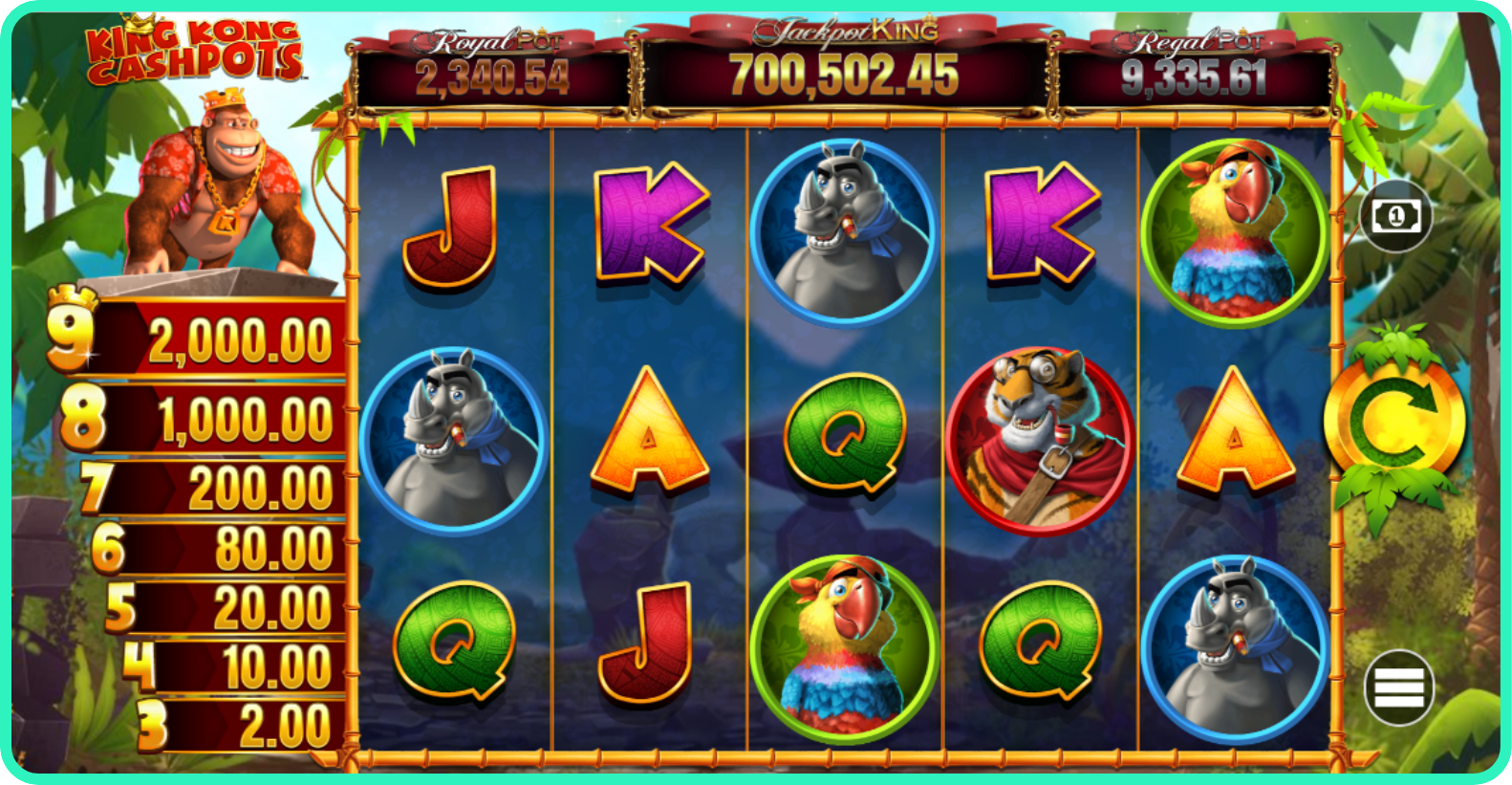
tombola casino: access to games
What can you actually play at Tombola Casino?
| Brand | Details |
|---|---|
| tombola casino | Casino and bingo operator; no sportsbook |
Tombola operates as a casino and bingo site instead of a general betting platform, so there is no sportsbook to fall back on if you are looking for that. What it does run is its own proprietary software supporting bingo rooms, instant win games and a slots tab, a setup that has been in place since the operator was founded in 1999. That ownership structure matters for trust: the brand was acquired by Flutter Entertainment in 2021 for around £400 million, putting it alongside Paddy Power, Betfair and Sky Bet, and it holds a Gambling Commission licence under account number 38613. The combination is straightforward to check. If you prefer a venue where the game variety is narrower but the regulatory and corporate backstop is broad, Tombola fits; if you want a single account covering sports and casino, it does not.
Compliance Verification and Transaction Processing Mechanics
The checks that matter most for a player are identity confirmation, payment method ownership and the timing of each transaction stage. These are the parts that determine whether a deposit lands, whether a withdrawal clears and how long a dispute takes to resolve. Tombola casino operates as a UK-focused gambling site, so it must satisfy the UK Gambling Commission’s customer-fund and identity rules, but the player experiences those rules through account verification requests and payment processing delays.
Verification usually starts before the first withdrawal instead of at registration. A casino can let an account open and accept a deposit, then hold the withdrawal until the player uploads proof of identity and proof of address. This split keeps the onboarding light while keeping the payout secure. The practical effect for you is simple: complete the document upload as soon as you register, not after you have won. A file that arrives weeks late will sit in the queue behind every earlier submission.
Payment method ownership is the second gate. The name on the payment account must match the name on the gaming account, and most operators will return a withdrawal to a different card or bank account instead of pay out to an unverified third party. This prevents card theft and money laundering, and it also explains why a bonus-funded win sometimes cannot leave the site until the deposit route is re-verified.
Transaction speed differs by method and by whether the casino has already approved your documents. The table below sets out the neutral criteria that separate fast payouts from slow ones.
| Criterion | Fast outcome | Slow outcome |
|---|---|---|
| Verification status before request | Documents approved in advance | Upload requested after withdrawal |
| Payment method match | Same name on card/bank and account | Mismatched or third-party details |
| Withdrawal channel | E-wallet or debit card | Bank transfer or manual review |
| Pending period | Short or none | Extended review window |
| Dispute trigger | Clear balance record | Bonus wagering or source-of-funds query |
A hypothetical example shows how the criteria combine. Suppose you have a £200 balance and you request a withdrawal on a debit card. If your identity documents were approved the day you signed up, the casino processes the payout within its standard pending period and the funds reach your card within a few working days. If you instead requested the money before uploading any documents, the request enters a review queue, the pending period extends while staff check your files, and the effective wait becomes several days longer even though the casino’s published timeframe has not changed.
The distinction worth keeping in mind is between the casino’s internal processing time and your bank’s own posting time. The operator may approve a withdrawal and push it out on the same day, while the bank takes one or two further working days to credit the account. That gap belongs to the payment provider, not to the casino, and it appears in your bank statement instead of in the casino account history.
Disputes follow a different path from ordinary processing. If a balance looks wrong, the first check is the transaction log and the bonus terms that applied to the games you played. A bonus that requires wagering before withdrawal will reduce the withdrawable amount regardless of how much you have deposited. When the log does not resolve the question, the casino’s complaints procedure takes over, and the response time depends on whether the case needs a manual review of game records or source-of-funds evidence. Keeping screenshots of spins, deposits and bonus acceptances makes that review faster for everyone involved.
Identity verification is front-loaded before the first deposit, using electronic checks against credit reference databases; manual document review may take up to 72 hours.
Consumer Protection and Safer Gambling Controls
The regulatory framework governing remote gambling in Great Britain places statutory obligations on operators to maintain robust player protection mechanisms. When software architectures operate as a tombola casino platform, these safeguards cannot remain optional features tucked away in account settings; they must be embedded directly into the user journey. The Gambling Commission requires all licensed entities to intervene proactively when customer behaviour indicates potential harm, shifting the operational burden away from vulnerable individuals and onto the service provider.
Deposit Limits and Financial Thresholds
Financial controls form the first line of defence against excessive gambling expenditure. British-licensed platforms must offer tools that allow participants to set daily, weekly, or monthly deposit limits before wagering real funds. Unlike flexible caps that can be raised instantly upon request, regulatory standards mandate a cooling-off period—typically 24 hours—before any limit increase takes effect. Conversely, requests to lower a threshold or implement a tighter restriction apply immediately. This asymmetry ensures impulsive decisions made during a gaming session cannot bypass pre-committed financial boundaries.
Affordability monitoring operates alongside these user-defined caps. Operators are expected to monitor transactional data for markers of financial vulnerability, such as sudden spikes in deposit frequency, failed deposits due to insufficient funds, or repeated attempts to reverse withdrawals. When these patterns emerge, compliance teams must initiate friction, requiring customers to provide documentation supporting their source of funds before further wagering is permitted. This measure prevents consumers from funding gambling activity through credit or unsustainable personal debt.
Time Management and Session Control
Financial limits alone do not address the behavioural aspects of digital engagement. Remote platforms incorporate mandatory session reminders that display elapsed time and net financial position over the course of active play. These notifications interrupt the session deliberately, requiring the user to acknowledge the prompt before returning to the interface. Time-out tools also permit individuals to suspend access to their accounts for short durations ranging from 24 hours up to six weeks. During a time-out period, the account remains locked against logins, deposits, and gameplay, providing a structured pause without requiring permanent account closure.
Self-Exclusion and National Registers
For individuals seeking longer-term cessation from gambling, self-exclusion provides a formalized legal barrier. When a customer elects to self-exclude, the operator must close the account, return any remaining withdrawable balance, and ensure marketing communications cease permanently. The obligation extends beyond a single brand through mandatory integration with national multi-operator self-exclusion schemes, such as GAMSTOP in the UK. Participation in these centralized registers ensures that a single exclusion request blocks access across every participating remote gambling platform licensed in Great Britain, preventing individuals from simply migrating to a competitor when control is lost.
The technical implementation of self-exclusion requires continuous database cross-referencing during registration and login attempts. If a new account application matches identifying details—such as name, address, date of birth, or registered device identifiers—held within the exclusion database, the onboarding pipeline halts automatically. Operators face severe regulatory penalties if technical gaps allow an excluded individual to bypass these checks and resume gambling activity.
Operational Implementation and Intervention Triggers
Safer gambling compliance relies on automated algorithms tracking behavioural markers instead of waiting for customer complaints. Algorithms scan for indicators such as late-night playing habits, chasing losses through escalating stake sizes, or erratic navigation patterns. When an algorithm flags a high-risk score, customer support teams or automated intervention workflows initiate contact, offering direct links to support organizations like GamCare or GambleAware. The effectiveness of these controls depends entirely on real-time data processing and a corporate culture that prioritises harm reduction over short-term revenue retention.
Tombola Casino operates under Tombola (International) Plc, which holds a licence from the Gambling Commission for Great Britain under account number 38613. That registration is the practical guarantee behind its customer protections, because it subjects the operator to the Commission’s rules on fair play, age verification and anti-money laundering instead of merely an internal policy. The licence is visible on the site and carries a public register anyone can consult, which is different from a self-declared badge. Ownership sits with Flutter Entertainment following its acquisition of the brand in 2021, placing Tombola alongside established UK names such as Paddy Power, Betfair and Sky Bet. A larger corporate structure can mean more resources for compliance, but it does not remove the need to check individual terms before committing funds.
Frequently asked questions
I submitted a withdrawal to the wrong bank account. Can I cancel it?
Once a payout has moved into processing, cancellation is not automatic and depends on how far the transaction has travelled. If the request is still queued, some sites let you cancel or edit the details from the payment section; if it has already left the operator, you will need to contact support immediately and provide the mistaken account reference. Acting quickly matters, but there is no guarantee the funds can be reversed once they have been sent.
How do I verify my identity on tombola casino?
Submit a clear, well-lit photo of the document and a recent utility bill showing your name and address, or let the site read them from a bank statement. The system usually returns within minutes with one of three outcomes: the documents pass, it asks you to resubmit with a sharper image, or it flags a mismatch. If it asks for a resubmission, check that all four corners are visible, the text is not blurred, and the address on the bill matches what you entered.
I activated a bonus but my promotional balance is still empty. Why?
Bonuses are often credited in stages or tied to a specific wagering requirement, so the money may sit in a pending state until the first eligible bet settles. If the game you played was excluded from the promotion, it does not count towards unlocking the balance. Check the offer details for the list of eligible games and the minimum stake, then place a qualifying bet before assuming the funds failed.
Tombola Casino Bonuses: Decide Your Limits Before starting
Decide on your weekly loss limit before claiming a Tombola Casino bonus. Treat promotional funds as separate from your bankroll, spending them only within that pre-set boundary. This discipline prevents chasing losses to clear wagering requirements. If you feel compelled to deposit more to recover a deficit, stop playing immediately. UK players can self-exclude via GAMSTOP or call the National Gambling Helpline at 0808 8020 133 for support. Maintain control by setting strict time and money caps in your account settings.