Double Bubble Casino | Bingo Games and Community Features
Double Bubble Casino: Game Library and Content Overview
Double Bubble Casino lets you move money in and out, but the exact routes, limits and speed depend on your account region and the payment method you pick. There is no single fixed rule for every player: some methods clear deposits instantly while others need a short pending period, and withdrawals are normally subject to account verification before funds leave the site. Treat the terms shown in your own account as the only binding condition. If a deposit does not appear or a withdrawal stalls, check your method’s status, your verification stage and the relevant terms instead of assuming the operator has refused the transaction.
Navigating the Double Bubble Slot Catalogue
Slot variety in the catalogue
The Double Bubble slot catalogue splits into two clearly different groups: the operator’s own branded titles and third-party games supplied by software providers. Branded games usually carry the casino’s own visual identity and mechanics, while titles from external providers bring established formats such as classic three-reel fruit machines, five-reel video slots with bonus rounds, and progressive jackpots. This distinction matters because each group has different release schedules and different rules. A branded title may launch without a corresponding bonus round feature, whereas a provider’s game typically ships with a documented paytable and feature set.
Mobile casino games and slots | session recovery tips
How the catalogue is organised
Games sit behind a catalogue interface instead of appearing as one long list. You can narrow the view by provider, by game type, or by the specific feature you want — spins offered free of charge, expanding wilds, or a multiplier mechanic. Search works on the game title and, in most interfaces, on the provider name. A useful check before starting playing is the information panel attached to each title: it shows the volatility rating and the theoretical return to player figure, both of which are supplied by the game developer and stored alongside the game file.
Volatility is the more practical of the two. A high-volatility title pays out less often but can produce larger individual wins, which suits a session budgeted for a few spins. Low-volatility titles return smaller amounts more regularly and stretch a fixed bankroll over more spins. Theoretical return to player is a long-run average across millions of spins; it does not predict what a single session will return.
Checking what a title actually offers
Provider names often look similar, so confirm the exact developer before committing time. A game from one provider may share a theme with a title from another, but the paylines, symbol values and bonus triggers will differ. The demo or play-for-fun mode is the fastest way to confirm this without risking funds. It shows the symbol layout, the number of active paylines and how the bonus round is triggered.
One limitation worth stating plainly: the catalogue rotates. Titles are added and removed at the provider’s discretion, and the casino’s library reflects whatever agreements are current. A game visible today may be unavailable next month without notice, and a removed title does not mean the provider has left the platform. If a specific game is essential to your choice, check its availability before registering or depositing, since access depends on the live catalogue instead of any long-term guarantee.
The Box Bonanza game is available to play for 100 days after first login, with a potential extension of 7 days if support is contacted.
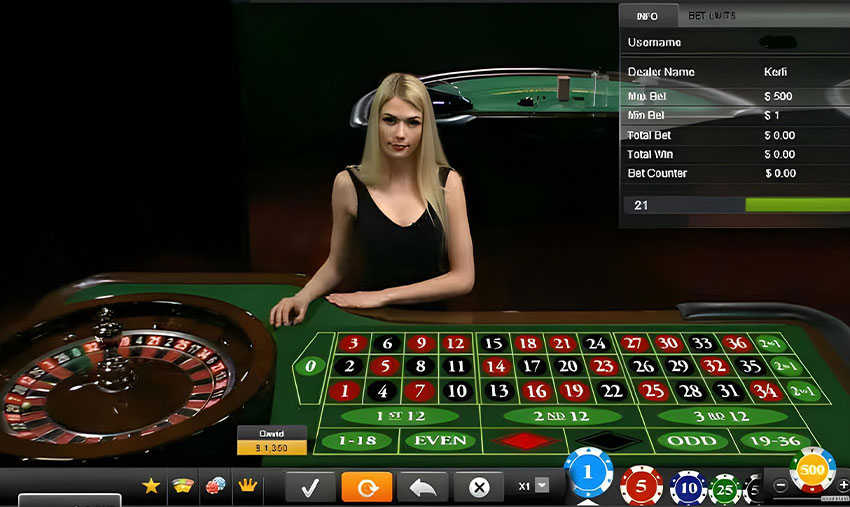
double bubble casino: accounts and verification, offers
Why identity verification sits between you and your funds.
Luckywave casino | verify domain before logging in
Most delays arise from a mismatch between what you upload and what the operator already holds, not from the act of uploading itself. A utility bill that carries a different spelling of your name, or an address that no longer appears on your account, stops the review before it begins. The operator cannot proceed because the document no longer proves that the person behind the account is the person holding the card. This is not a procedural preference; it is a direct consequence of the licence the operator carries.
The casino you are playing at answers to a licensing authority, and that authority obliges it to confirm your identity before releasing money.
| Brand | Details |
|---|---|
| double bubble casino | Licenced by the UK Gambling Commission; registration requires accepting terms and opting in to promotions; identity verification is required. |
Double Bubble Bingo operates under a licence issued by the UK Gambling Commission, which means the site must meet the regulator’s standards for identity verification before allowing you to gamble with real money. In practice this shows up during account setup, not only at the point of withdrawal. The operator requires you to accept its terms and conditions and to opt in to any promotions you want to claim. Those steps are a minimum; expect to provide proof of identity and, where required, evidence of address, because the UK Gambling Commission requires licensed sites to verify customers as part of its licence conditions. Without that verification in place, your ability to deposit, play or withdraw can be restricted.
Ensure every document is legible, dated within the last three months and identical to your registered details. An expired photo ID, a cropped image, or a bill in a former surname extends the wait without adding value. If you plan to cash out, complete this step in advance instead of at the point of withdrawal.
The consequence of the choice is your own. Complete the verification while your balance is untouched and the file is open, and the eventual request moves through the queue. Leave it until you need the money, and the same process becomes a barrier to access. The operator’s duty to its licence is fixed; the timing is yours.
Bingo Games and Community Features
How the bingo section sits beside the slot floor
At double bubble casino the bingo rooms run on a separate schedule from the main game lobby, which changes how a player moves between them. Slots spin continuously, a bingo game opens at a fixed time, and the two do not share a single balance in the way a live dealer table and a slot might. The result is that a player who wants to play both needs to plan around the card purchase instead of treat every game as an instant, interchangeable choice.
The room operates on a ticket-based cycle. Cards are sold at the start of a round, the numbers are drawn in sequence, and the round ends when a player completes the advertised pattern or fills the card. Until the draw begins, no result exists and no prize is payable. That gap between buying a card and the game closing is what separates bingo from a slot spin, where the outcome is determined the moment the player acts.
Griffon casino withdrawal conditions and ID checks
Community features and the chat dynamic
The chat room is where the social element lives. It is moderated, which means messages are visible to all players in the room and subject to the site’s conduct rules. Chat games run alongside the draw, usually offering a small prize for answering a question or spotting a number. These side games are distinct from the main card prize; winning one does not affect the card result, and losing one does not remove a card from the round.
Bonuses attached to bingo differ from those on slots because the wagering requirement applies to the bonus funds instead of to individual card purchases. A player should check how many times the bonus must be turned over before a withdrawal is possible, and whether any game type is excluded from contributing toward that target. An example makes the point clear: if a £10 bonus carries a 30-times wagering requirement, the player must stake £300 in total before any winnings become withdrawable, not simply win £10 once.
Why the room structure matters for gameplay
The separation between bingo and slots is structural, not cosmetic. Because a bingo round has a fixed start and end, it suits players who prefer a defined session instead of continuous play. Slots suit the opposite preference, where the player controls the pace entirely. A player who switches between the two should expect the account interface to reflect this: the bingo lobby shows upcoming games and card prices, while the casino lobby shows individual titles and their volatility.
The main limitation to accept is that the community aspect depends on other players being present. A chat game with no respondents still runs, but the interaction that defines the experience is thinner. Rooms with scheduled high-stakes draws tend to be busier, and a player looking for that atmosphere should check the room calendar before buying cards.
Identifying High RTP Slots in 2025
-
Start by opening a slot and checking its paytable, because the number most players rely on lives there. Return to Player is not a session guarantee and never will be — it is the share of stakes a game returns over millions of spins. What separates a genuinely higher-RTP title from a marketing number is whether the figure comes from the provider’s published documentation and matches the version the casino has enabled.
-
Most modern slots place the RTP on the information screen, behind the ‘i’ or gear icon. If the value is absent, follow the link to the full rules or technical sheet; providers must list the percentage there even when the lobby hides it. A practical reason this matters is that one game can ship with several RTP versions. The casino chooses one, and that choice is usually not labelled anywhere on the Double Bubble Casino lobby. Without the provider’s sheet you cannot tell which version you are spinning.
-
Use volatility to interpret the percentage, because the two numbers answer different questions. A 97 per cent slot with high volatility pays less frequently than a 95 per cent low-volatility slot, even though its long-run return is higher. If you are working with a limited stake, the lower-volatility title often feels better, while the higher-RTP high-volatility machine needs a larger bankroll to survive the dry spells.
-
A concrete way to rank candidates is to record each figure in your own notes as you browse. Note the game title, the RTP shown on the paytable screen and the volatility rating, then order them yourself. This beats any external list, which frequently combines configurable versions of the same title and produces rankings that do not reflect what you will actually play on the site.
-
Watch for games that alter their RTP when bonus features are active. The percentage you see during base-game play may differ from the one attached to a bonus-buy option. Treat the standard-play figure as your working value unless you intend to purchase the bonus.
-
A rule of thumb instead of a hard boundary: flagship titles from major providers usually sit in the mid-90s to high-90s per cent band. Anything noticeably below 94 per cent tends to fund particularly generous feature mechanics. This is only a heuristic, not a verification of any specific title.
-
The casino itself does not promote a curated ‘high RTP’ collection, so building a personal shortlist from the game screens is the dependable method. If a figure is genuinely absent from both the paytable screen and the rules sheet, treat the provider’s standard band as the best available estimate instead of assuming the slot is unusually poor.
Common Questions on Game Access and Performance
Can I play demo versions without creating a verified account?
Many operators allow demo or free-play modes without depositing or passing full identity checks. This works because no real-money stakes or withdrawals are involved. Once you switch to real-money play, verification becomes necessary to fund the account and cash out.
Are there limits on wagering requirements in 2026?
There is no industry-wide cap that every site must follow. An operator sets its own multiplier and may exclude certain games from contributing, so the same bonus can carry very different playthrough on one site compared with another. Look for the requirement expressed as a multiple of the bonus, the list of eligible games and the validity period before committing.
Can I withdraw while a bonus is active?
Yes, but the bonus remains attached to your balance until its conditions are met. The site usually lets you request a withdrawal, then either removes the bonus and deducts the unused funds, or refuses the transaction until wagering is complete. Check the terms attached to that specific offer for the rule the operator applies, since policies differ between promotions.
Responsible Gaming Practices
You can see where responsible gaming controls live before committing funds: look for the account settings or responsible gaming area, usually beside your balance or in the site footer. Double bubble casino and other licensed operators offer deposit limits, loss limits and session reminders, but these stay off until you activate them. A loss limit is a concrete guardrail — it stops you continuing when a set amount is down, instead of relying on willpower once the games get exciting. Should spending start to feel compulsory instead of recreational, GAMSTOP registers a UK-wide self-exclusion covering every licensed site. Help is available from GamCare and BeGambleAware via the National Gambling Helpline on 0808 8020 133, and all UK gambling requires you to be 18 or over.
